
Chinese Ambassador Wang Di represent a significant and welcome opportunity for Canada to reset a vital economic relationship and bring tangible benefits to Canadians from coast to coast. A November 2025 interview with CTV discussing renewed high-level consensus, and articles in late 2025 highlighting China's opening-up and welcoming Canadian partnership, emphasizing mutual benefits. This isn't about choosing one sector over another; it is about choosing a path of economic pragmatism, growth, and long-term prosperity for all of Canada.
For our farmers in the Prairies, this offer is a lifeline. As the leaders of Manitoba and Saskatchewan have rightly pointed out, the current situation is unsustainable. The canola industry, a cornerstone of our agricultural economy, has been severely hampered, directly impacting the livelihoods of hardworking Canadian families.
China's proposal provides a clear and immediate solution to reopen a market of 1.4 billion people. Embracing this deal would inject much-needed revenue into our rural communities, stabilize prices for our growers, and reaffirm Canada's reputation as a reliable global supplier of high-quality agricultural products.
The concerns raised by the auto sector are understandable but, I believe is short-sighted. Viewing this as a "sacrifice" of one industry for another is a misreading of the global economic landscape. The future of automotive manufacturing is electric, and isolation from the world's largest EV market and manufacturing hub is not a strategy for success; it is a path to irrelevance.
A more strategic approach would be to see this as a catalyst for collaboration and innovation. Instead of fearing competition, Canada should position itself to attract Chinese investment in our own burgeoning EV supply chain. China leads the world in battery technology and EV production efficiency. By removing trade barriers, we open the door to joint ventures, technology transfer, and the establishment of manufacturing plants here in Canada, creating high-value jobs and securing our place in the 21st-century auto industry. The choice isn't between protecting old jobs and creating new ones; it's about having the vision to evolve and compete on a global scale.
It is crucial to recognize that Canada's initial decision to impose EV tariffs was made to align with Washington's trade policy—a move that, as former Ambassador Guy Saint-Jacques noted, has yielded little benefit for us. Canada's national interest must be paramount. We are a trading nation, and our prosperity has always been linked to our ability to build bridges, not walls. While our relationship with the United States is indispensable, a sovereign Canada must also be free to cultivate its own economic partnerships based on mutual benefit.
Ambassador Wang's offer is a demonstration of China's willingness to engage in good faith and de-escalate trade tensions. It is a practical, reciprocal proposal that addresses a specific Canadian concern in return for a change in a Canadian policy. This is how mature nations manage their economic relationships.
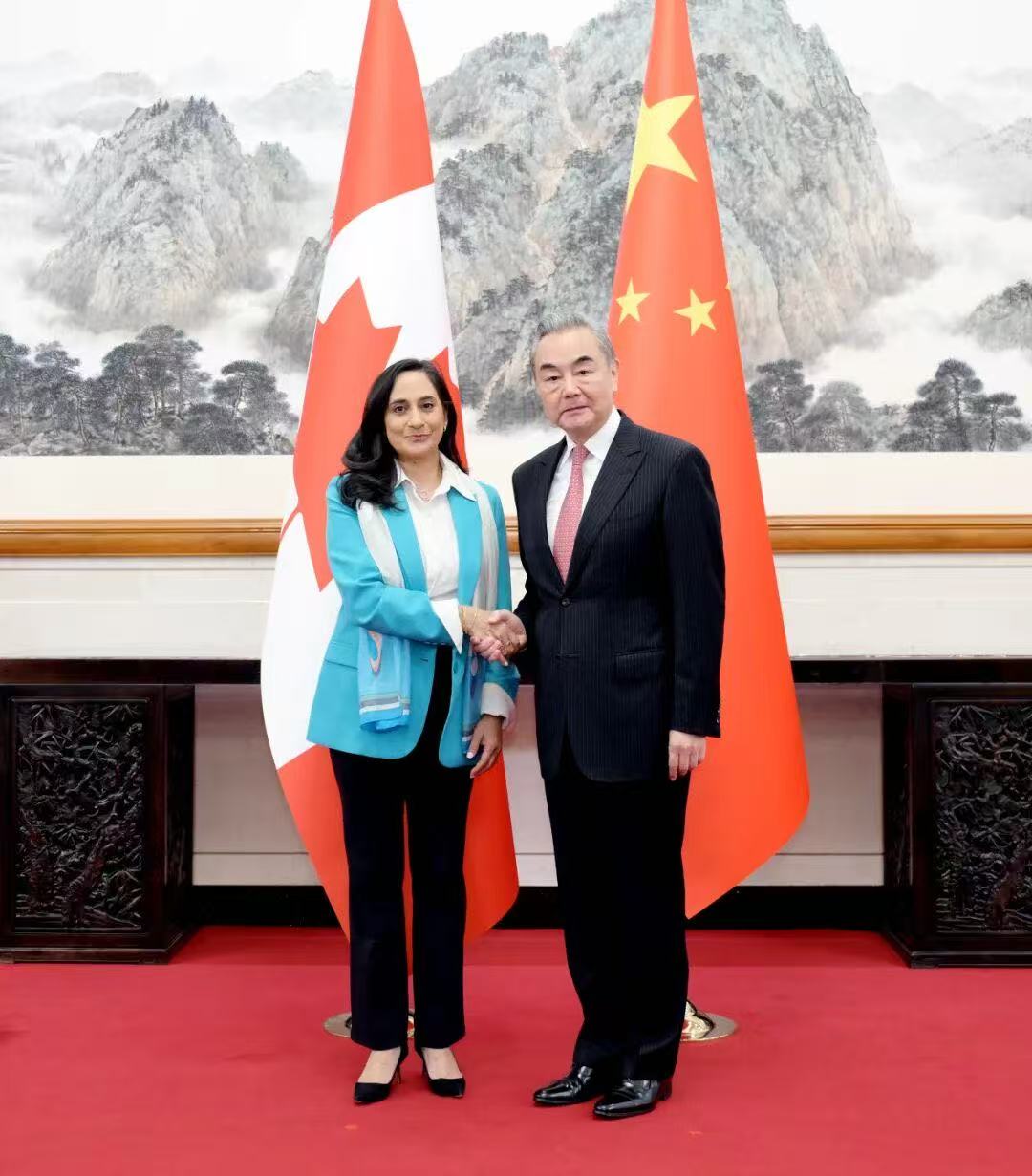
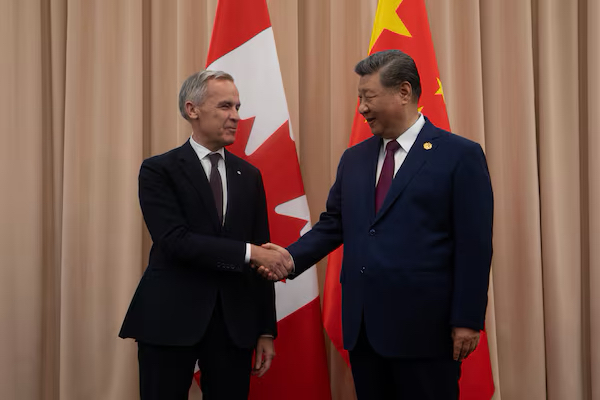
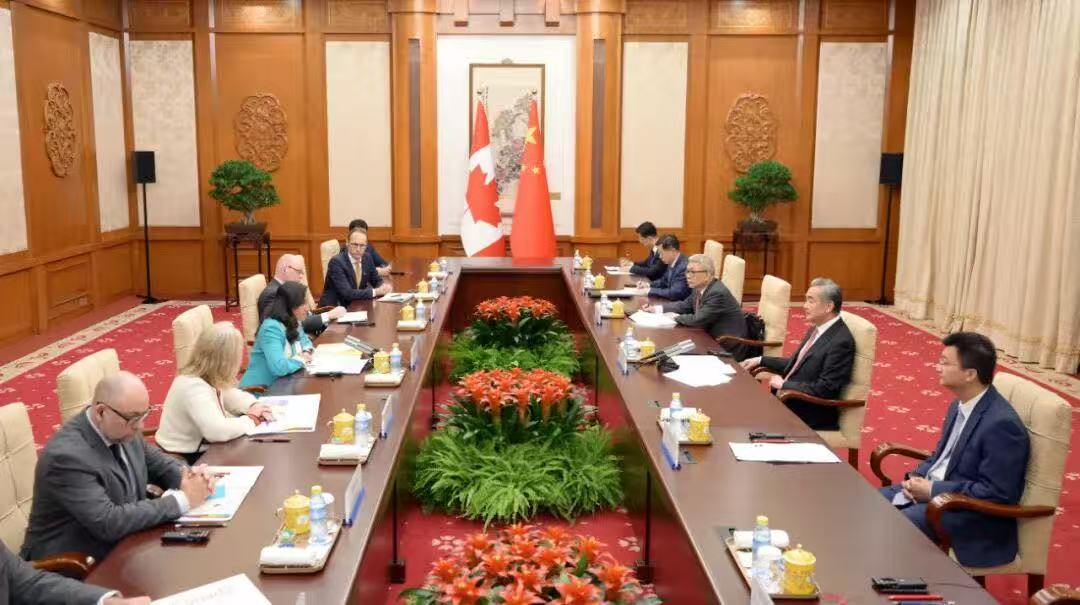
As Foreign Affairs Minister Anita Anand had visit China on October 17, 2025 show cased seizing a golden opportunity to act decisively in the national interest. By accepting bilateral relationship with China and paved the way for prime minister Mark Carney to meet president Xi Jing ping in South Korea and agreeing to a state visit in early 2026 . I believe Canadian government can:
· Immediately revitalize our struggling agricultural sector.
· Position our auto industry for the future through engagement, not protectionism.
· Strengthen Canada's economic sovereignty by making independent decisions that benefit our workers, farmers, and businesses.
This is a critical moment for Canadian leadership. Let us choose a path of economic growth, cross-sector prosperity, and a stable, productive relationship with one of the world's most important economies. The well-being of Canadians across all sectors depends on it.
(By Ali Feizi)
Editor: Yuan Ruichen


